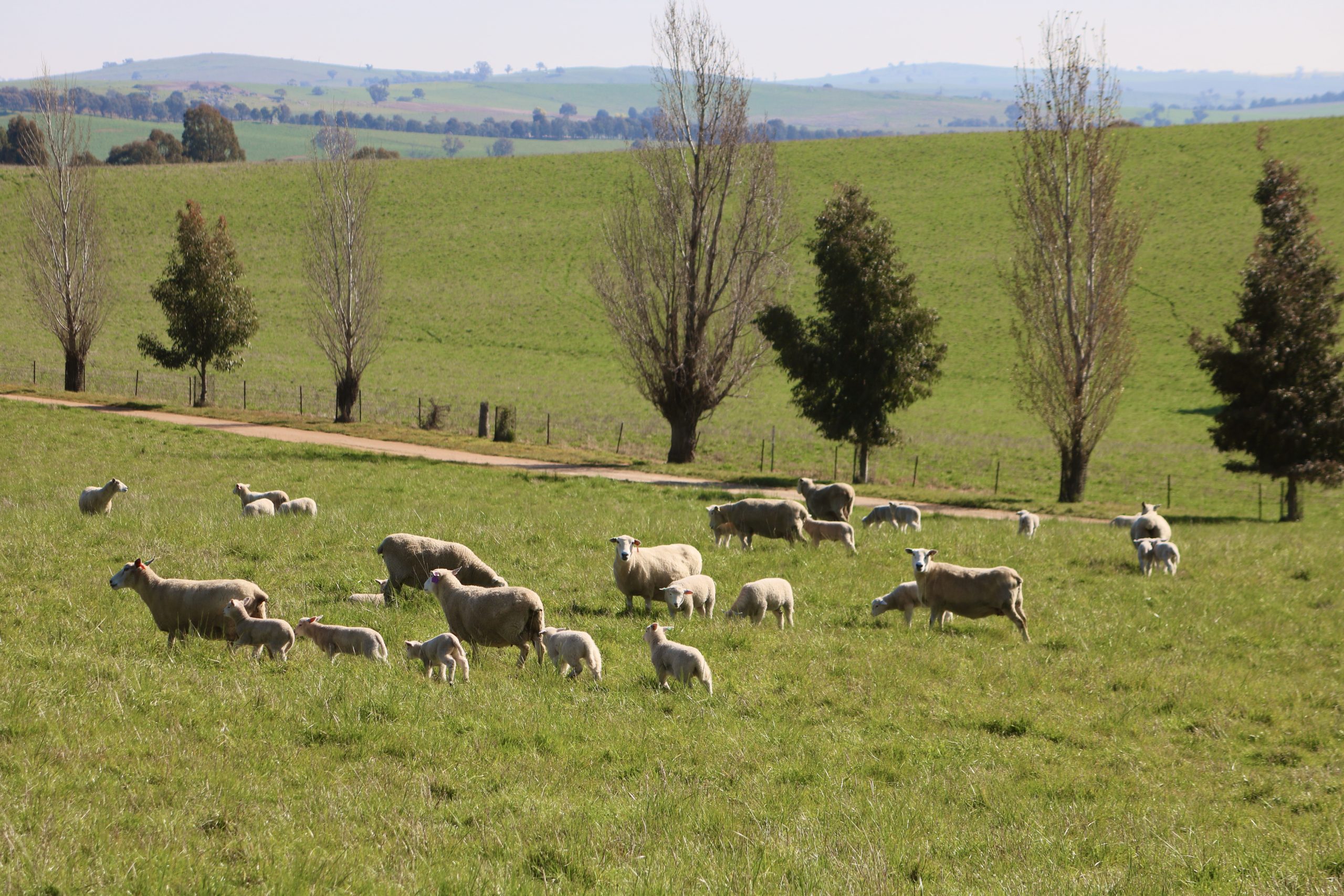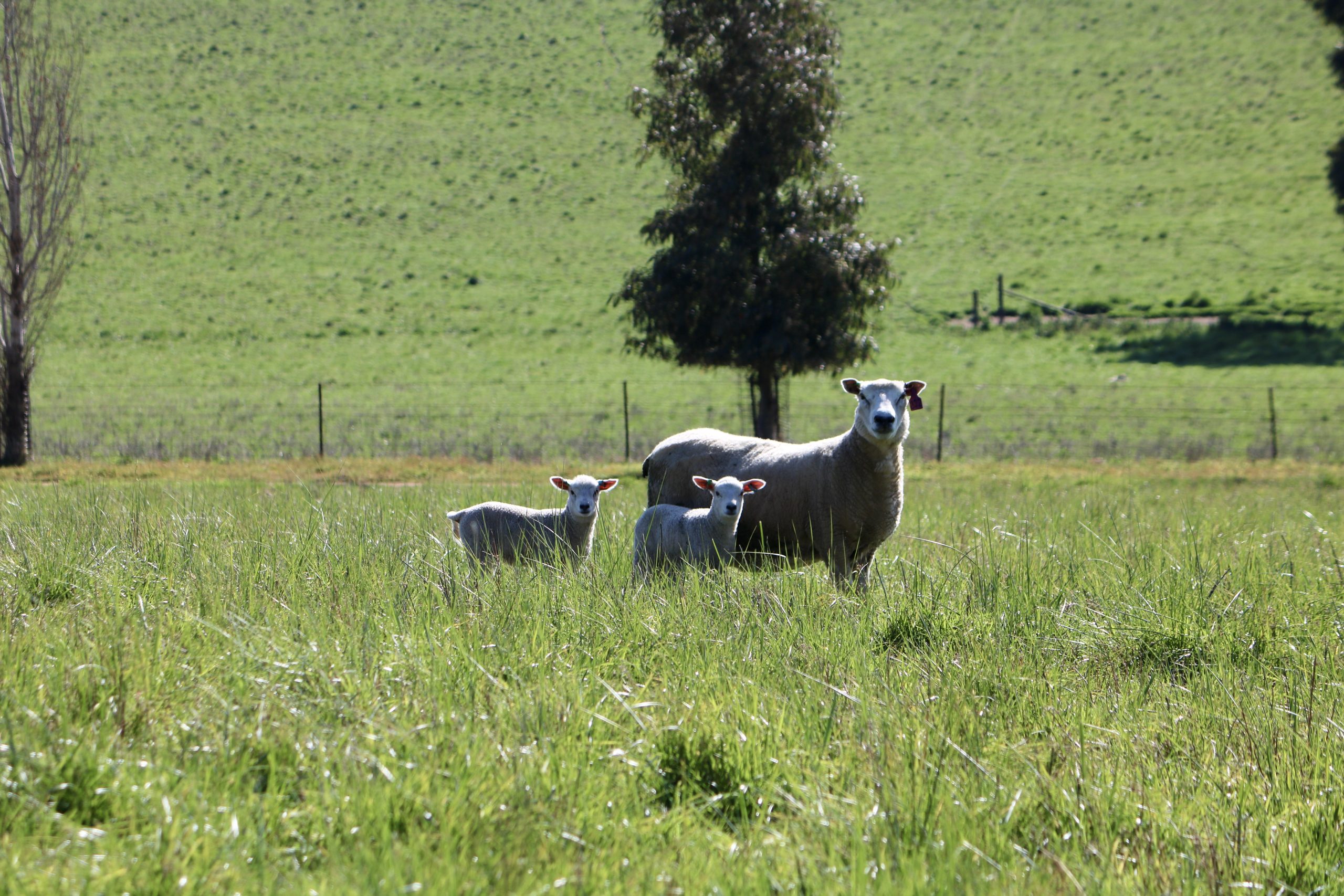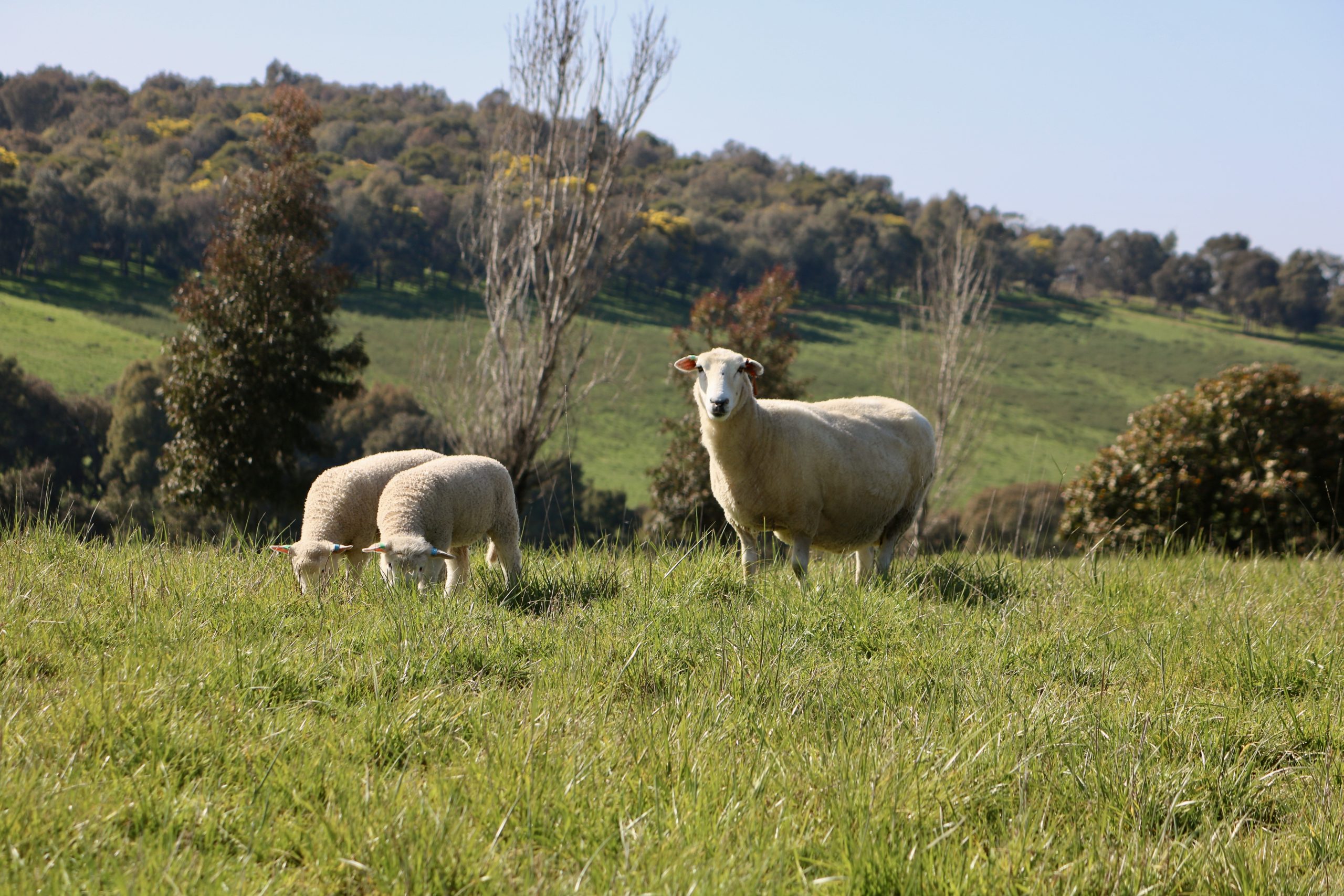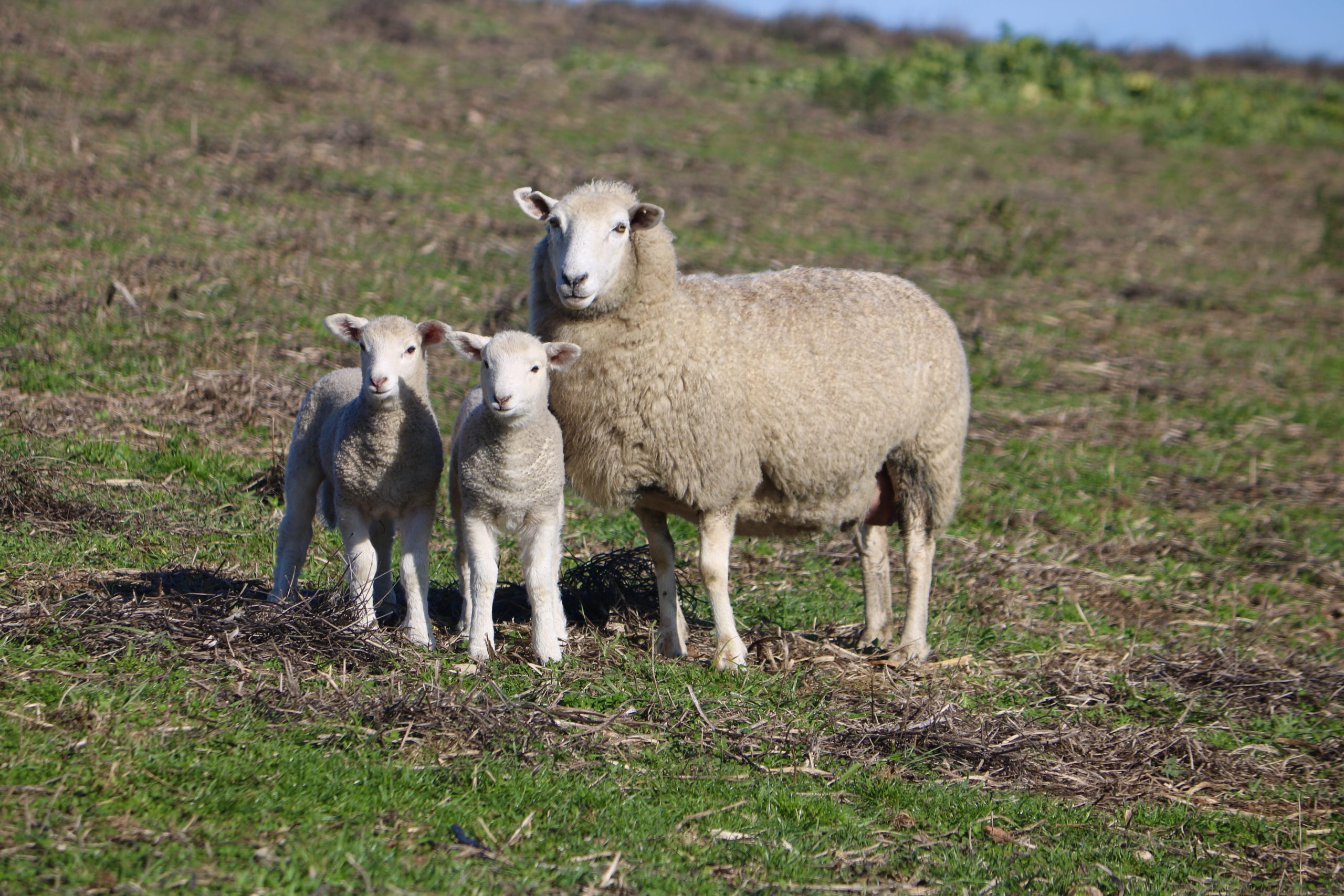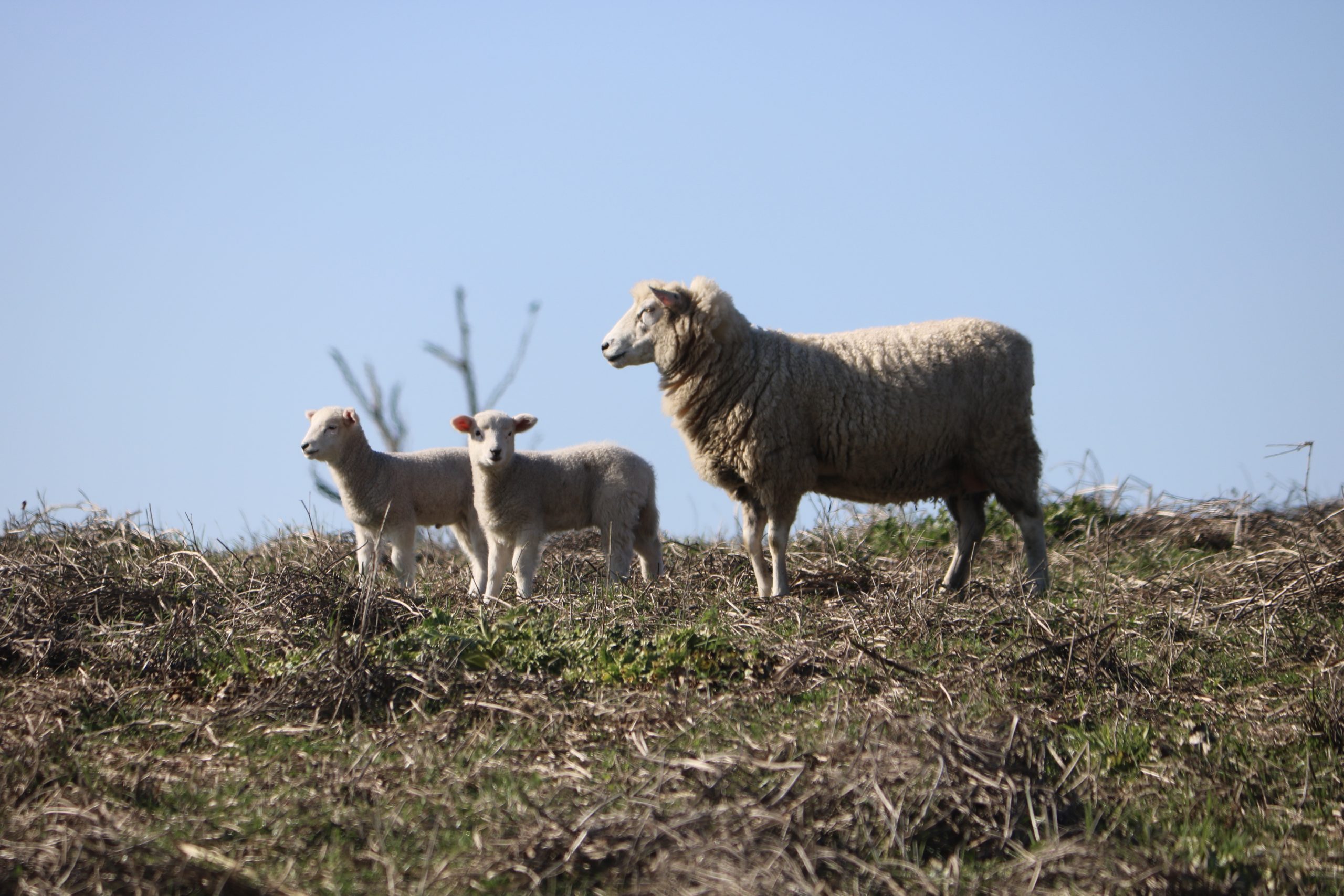
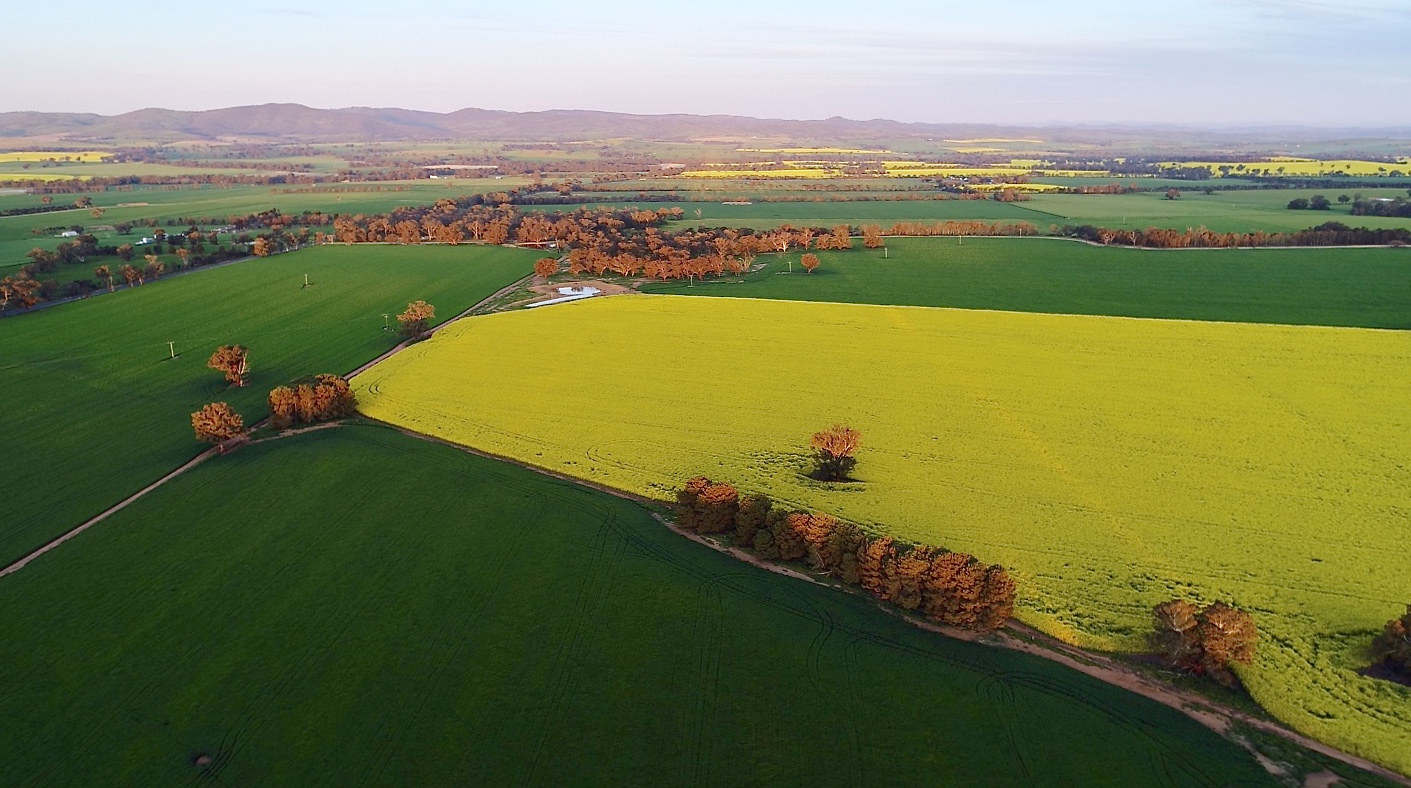
The Herbert family’s farming roots trace back to 1913, when they established a modest 160-hectare holding in Eurongilly. Since then, the family has remained dedicated to the land, guided by hard work, resilience and a commitment to progressive farming practices.
In 2000, Leo and Vanessa began a new chapter with the purchase of their first 500-hectare property. From there, their business has steadily grown and diversified to encompass eight properties across the Bethungra, Eurongilly and Wantabadgery districts. Today, the enterprise spans 3,600 hectares of mixed farming country, underpinned by a strong focus on productivity, efficiency and sustainability.
Our sheep enterprise
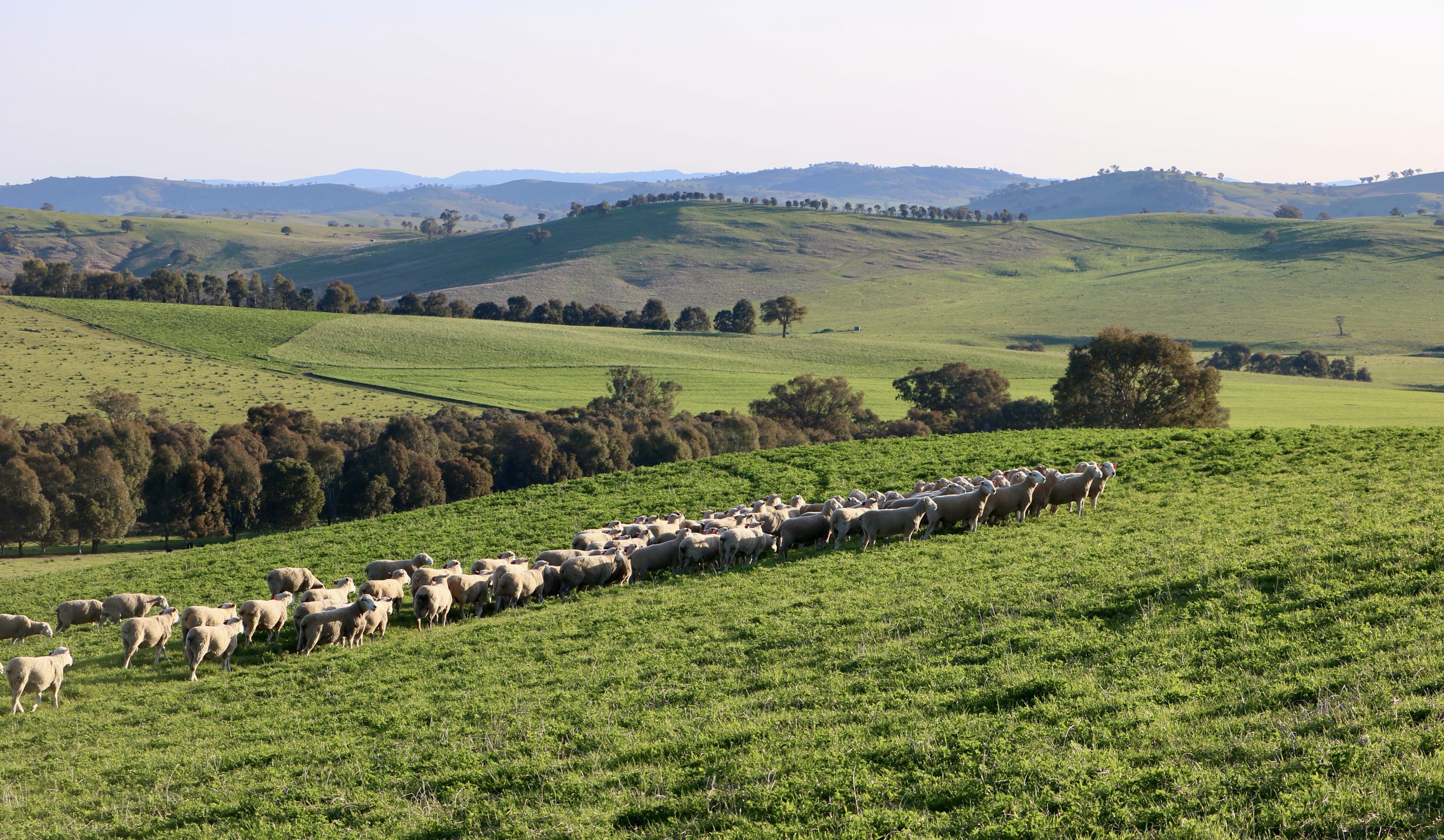
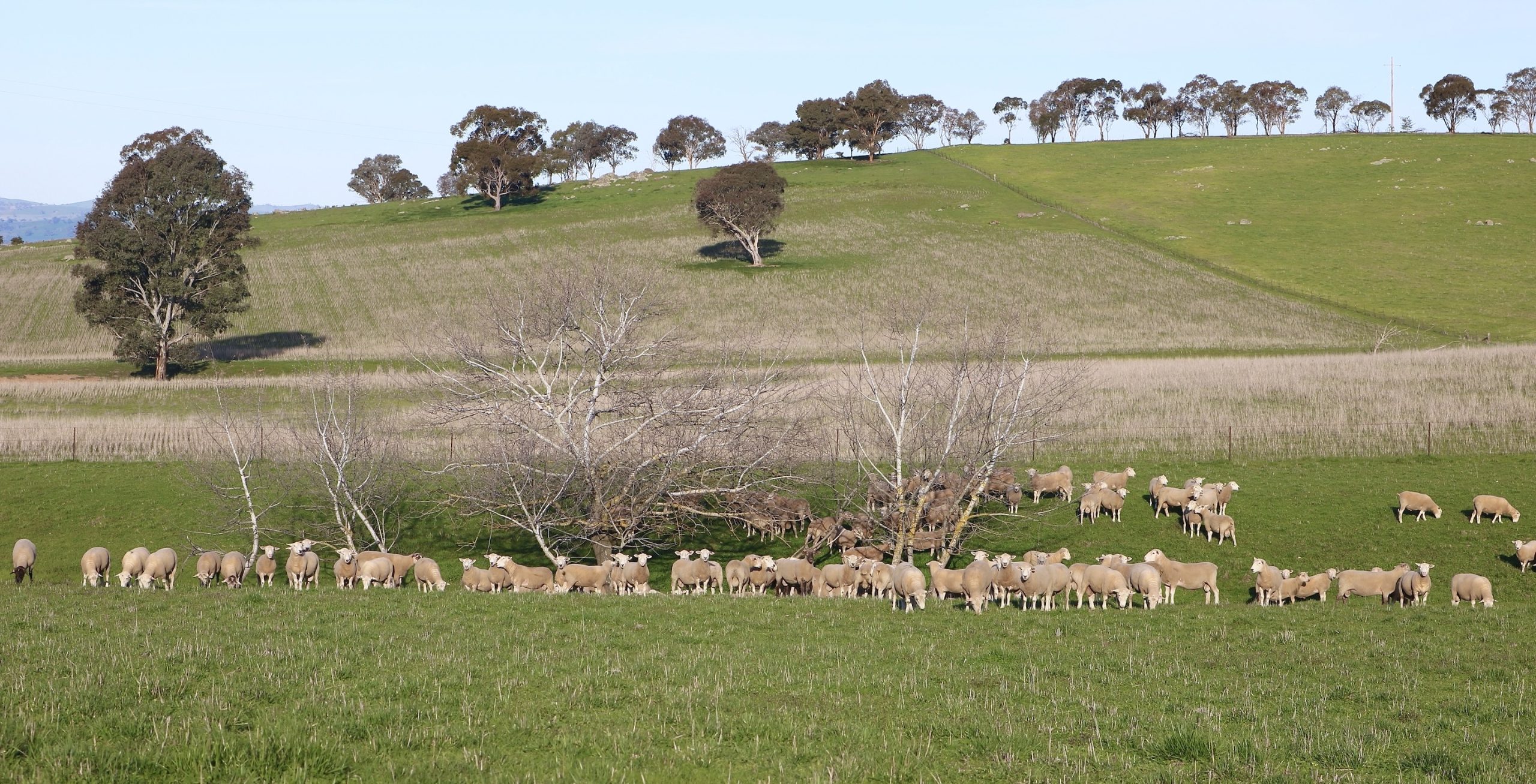
The stud flock consists of 1200 ewes producing 400 rams for our sales, the Summer Ram Lamb Sale and Spring Two Tooth Sale (see Sale page).
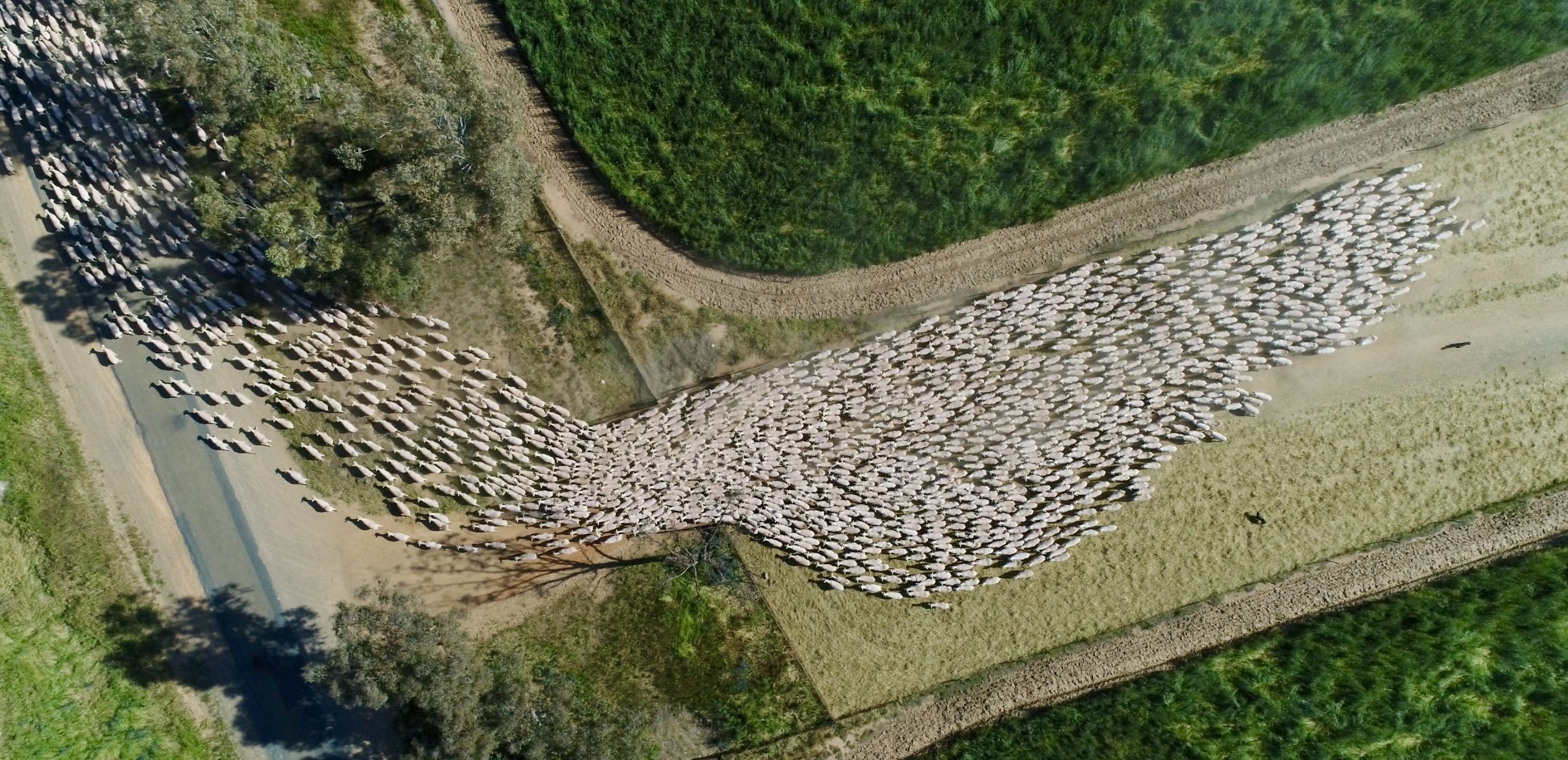
The commercial properties currently run a self-replacing Highlander flock of 10 000 ewes and turn off 15 000 ewes and lambs annually. Lambs are sold direct to the abattoir with a targeted carcass weight of 23kg.
First and foremost we are commercial farmers. We saw an opportunity with Highlander and FocusPrime genetics to improve the performance of our own commercial flock across the triple bottom line (financially, environmentally, and socially). Being able to share these profitable and sustainable genetics to drive production efficiency across industry is Karrawarra’s focus.”
Leo Herbert
How maternal efficiency became our focus
In 2015, while researching low birth weight terminal sires, Leo discovered the Highlander and FocusPrime breeds. He was intrigued by their moderate ewe size, high fertility, lamb survival, and their proven performance across a diverse range of climates, with sheep bred and run successfully in New Zealand, the UK and Uruguay.
The emphasis on maternal efficiency—consistently highlighted by international Highlander breeders and backed by more than 30 years of performance data through SIL-ACE (New Zealand’s equivalent of LAMBPLAN)—strongly aligned with their breeding objectives.
“Having ewes lambing down at 12 months, surviving, raising a lamb or two, increasing the productivity over the lifetime of the ewe was mind boggling in relation to what we had been doing. I could see the savings in feed costs, the ability to increase and decrease stocking rates through changing conditions.”
Leo Herbert